The Credibility Threshold: Why Extra Scaffold Sensors Can Weaken Site Security
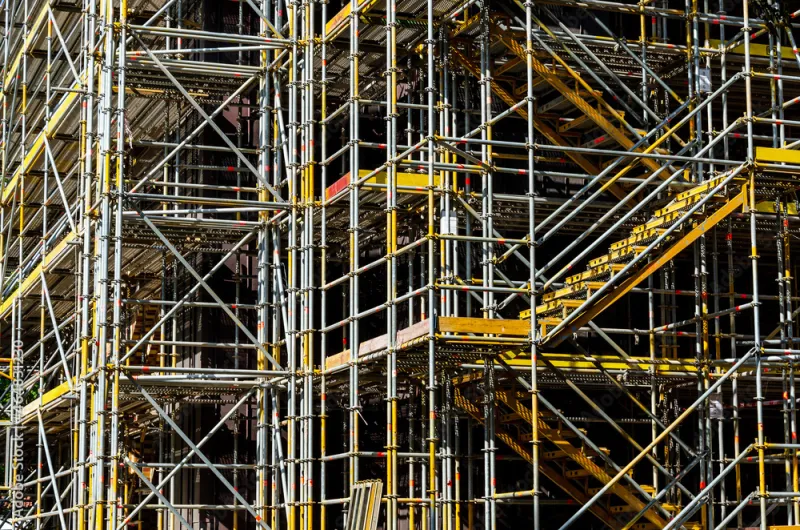
Photo: scaffold alarm sensors on UK construction site, via as1.ftcdn.net
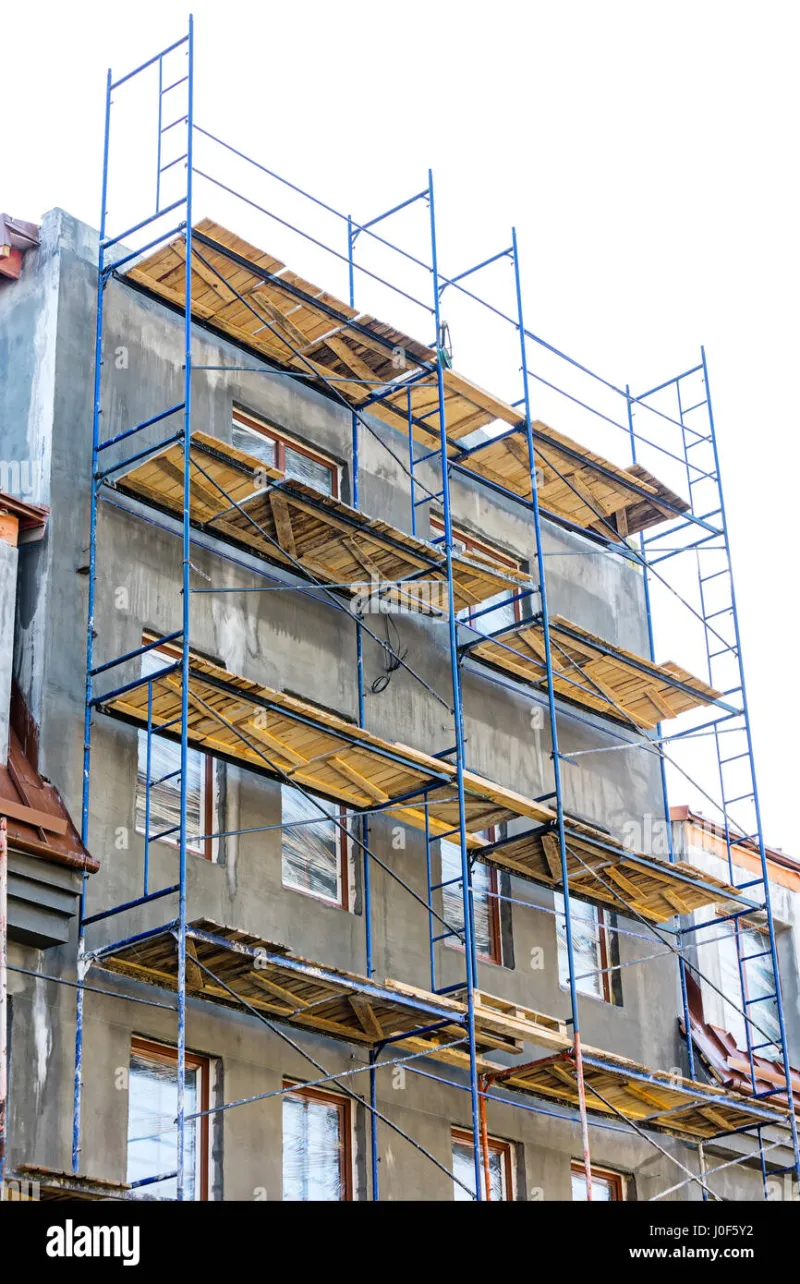
Alarm fatigue is not a hypothetical risk on a busy UK scaffold. It is a predictable outcome of designing detection by spreadsheet: add another passive infrared detector to every lift, another contact to every access hatch, another beam across every approach, and assume the result is a tougher site. In practice, the opposite often happens. A system that alerts too often stops being a security system and becomes background noise. Site teams learn to silence it, keyholders learn to ignore it, and the one genuine activation that matters arrives in the same stream as a hundred harmless ones.
Why sensor sprawl happens
The pressure to add devices is understandable. Principal contractors want evidence of coverage. Insurers want reassurance. Site managers want visible deterrence. Suppliers can quote by device count, which makes extra sensors look like extra protection. On a scaffold, however, the environment is unusually hostile to naive detection. Sheeting moves, temporary lighting flickers, birds land on standards, and legitimate trades arrive at irregular hours. Each additional device adds another opportunity for a nuisance activation, and each nuisance activation spends credibility that cannot be bought back with more hardware.
Zone design before device count
The first discipline is to design zones around response, not around scaffold geometry. A zone should correspond to a place a responder can check quickly and safely, with a clear boundary and a defined owner. Grouping every bay on a long elevation into one zone may look efficient on a drawing, but it tells a keyholder little when an alert arrives. Splitting the same elevation into too many zones creates a different problem: the system reports movement everywhere and nowhere, and the response becomes a tour of the site rather than a targeted check.
A practical UK approach is to zone by access route and asset cluster. External approaches, compound gates, scaffold access points and high-value material stores should be separated where the response differs. Internal scaffold levels can often be grouped more broadly if the only credible route to them is already covered. The aim is not maximum resolution. It is useful resolution. At NRG Scaffold Alarms, the design principle is simple: every zone should have a reason to exist and a response attached to it.
Thresholds and verification
Threshold settings deserve more attention than they usually receive. A detector that triggers on a cat or a flapping sheet is not sensitive; it is badly configured for the environment. Passive infrared devices should be set for the expected traffic and environmental conditions, with pulse counts and sensitivity adjusted rather than left at factory defaults. Where the risk justifies it, sequential confirmation between two devices or a camera check before dispatch can reduce false alarms without turning the system into a delayed-response system.
Verification should be defined in the response protocol, not invented at 2am. If an alert is confirmed by a second sensor, who checks the camera? If the camera is unclear, who calls the keyholder? If the keyholder does not answer, what happens next? These questions belong in the handover file and in the site induction, not in an informal WhatsApp group.
Signage, training and the human layer
Signage is part of the alarm system. Clear warning signs at scaffold access points and compound boundaries support deterrence and help legitimate visitors understand that the site is monitored. Signs should be legible, fixed securely and consistent with the privacy notice where cameras are used. A sign that promises more than the system delivers is a liability, not a deterrent.
Training is equally practical. Site teams should know how to arm and disarm the system, what a zone label means, how to report a nuisance activation and why repeat false alarms must be logged rather than simply silenced. A short toolbox talk at mobilisation is often more valuable than another detector. The objective is a culture in which an activation prompts a check, not a sigh.
A credible system, not a crowded one
The strongest scaffold alarm is not the one with the most devices. It is the one whose alerts are believed. That credibility comes from restrained zone design, environment-appropriate thresholds, defined verification and a response protocol that people have rehearsed. For UK contractors, the commercial argument is straightforward: nuisance alarms cost time, erode trust and can expose a site to accusations that it is not managing its security system properly. Fewer, better-placed sensors with a clear response are usually a more defensible investment than a dense array that nobody trusts.